


Architecture has always been more than walls, roofs, and doors. It’s an emotion. It’s a memory. It’s the silent storyteller that witnesses everything yet speaks only through shape, space, and light. Every city, every street corner, every random building that catches the eye—someone dreamt that into existence.
Sometimes, that dream is logical. Sometimes, it’s pure chaos that somehow works. Architecture dances between the two.
A Dialogue Between Art and Function
Architects often walk the fine line between logic and poetry. There’s the engineer inside them that counts every bolt, beam, and column. And then there’s the artist that wants to bend the rules just to see if beauty holds its balance. The best designs usually emerge from this push and pull.
Form follows function—that’s the classic mantra. Yet, in modern architecture, it sometimes feels like function follows feeling. Why else would people choose curved walls that whisper softness over sharp right angles that shout order? The modern architectural mind isn’t trying to replicate the past. It’s trying to make the future feel livable.
The more one observes, the more it becomes clear—architecture isn’t just about what fits, but what feels right.
Breaking Patterns, Literally
Traditional design used to worship symmetry. Everything had its place, its mirrored twin, its sense of balance. But today? The broken pattern is the new order. Architects are experimenting with asymmetry, irregular geometries, and materials that seem mismatched at first glance—but somehow, it all works.
It reflects life itself. Imperfect. Surprising. Beautiful in ways that precision alone could never achieve. And maybe that’s the whole point. The human eye doesn’t crave perfection—it craves rhythm. The kind that makes a building feel alive. The kind that makes you stop, tilt your head, and just feel.
The Mood of Materials
Steel. Concrete. Glass. Wood. Stone. Five materials, endless personalities.
Concrete can be brutal or soft, depending on how it’s shaped. Glass can reveal or conceal. Wood brings warmth; steel brings clarity. Architects treat these materials like a writer treats words—each one chosen carefully to tell a part of the story.
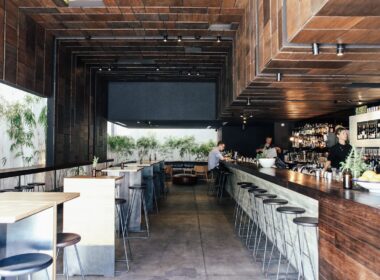
And then comes the magic moment when textures meet light. A wall of polished concrete can feel cold at noon but glow like bronze at sunset. A timber ceiling can smell like nostalgia when it rains. Architecture, in many ways, is about designing how time passes through space.
Sometimes, it’s also about silence. The pause in design that gives a structure its soul.
The Whisper of Space
There are rooms that speak louder in silence. The void between walls, the pause between shapes, the stillness that breathes between forms.
A narrow corridor can tell you more about compression than a hall full of columns. A sudden shaft of light cutting through darkness can become a memory stronger than the room itself. That’s the subtle architecture of emotion—where design meets psychology, where form manipulates feeling.
When Technology Enters the Room
Architects are crafting buildings that breathe, that respond to their environment, that consume less and give more. Green roofs, passive cooling, recycled materials—these are no longer “trends.” They’re expectations. But technology’s entry doesn’t end with sustainability. It’s now in the design DNA. Every small element adds up, not to perfection—but to personality.
Cultural Echoes in Modern Design
Despite all the innovation, good architecture still listens to its roots. A building in Tokyo doesn’t feel like one in Barcelona. Nor should it. Culture breathes through design—through the shape of a doorway, the pattern of tiles, the rhythm of light and shadow.
Behind every blueprint lies a question: How will people feel here?
Comfort isn’t just about furniture. It’s about how light falls on your desk in the morning. How sound echoes—or doesn’t—in a hallway. How a space can make you feel safe, inspired, or quietly alone.
Architects think about these invisible details constantly. The width of a window. The slope of a staircase. The distance between two benches. Every inch has intention. Because at the end of the day, architecture isn’t just about buildings—it’s about people.
Between Nature and Structure
Nature is no longer outside the window—it’s part of the design. Architects are rediscovering biomimicry, borrowing ideas from how trees breathe, how shells distribute pressure.
Nature-inspired principles of shaping modern spaces:
- Ventilation models drawn from termite mounds.
- Sunshade façades that mimic desert flora.
- Water-harvesting roofs inspired by cacti.
- Building skins that react to light like living tissue.
- It’s collaboration, not competition. A quiet truce between concrete and the earth.
When the City Becomes a Canvas
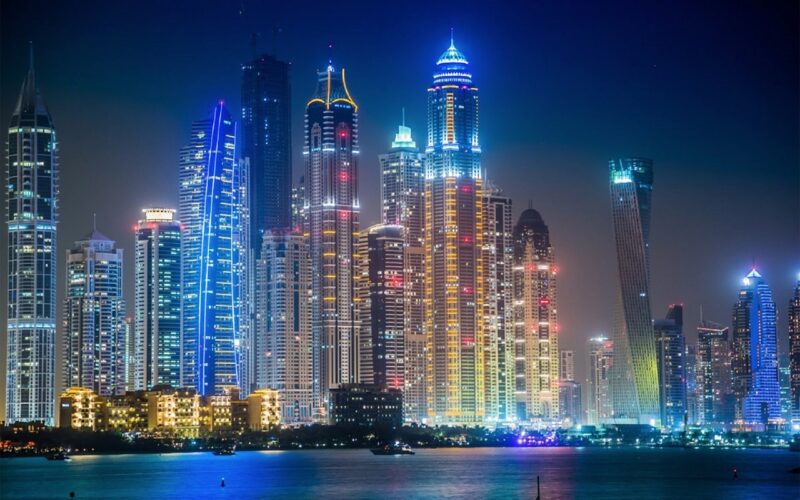
Cities are living galleries. Some bold, some subtle. Some ancient, others born yesterday. Walk through any downtown and you’ll see it—a conversation between eras. The old brick warehouse beside the shimmering glass tower. Maybe that’s what architecture really is: a collection of human emotions, solidified. The next chapter of architecture won’t shout. It’ll whisper. It’ll be smart, empathetic, and slightly unpredictable. Buildings that breathe.