





A child’s room is more than just a space for sleeping. It’s a study area, a playground, a comfort zone, and a place that encourages creativity and growth. Designing a kid’s room that is both functional and fun can be quite a challenge. This article aims to guide you with 12 essential steps to create a beautifully balanced and inspiring kid’s room.
1. The Art of Simplifying
1.1 Keep it Minimal
Children possess many items, from toys and books to study materials and clothes. Including additional decor can lead to clutter. It’s essential to keep the design simple, allowing children to concentrate, have a spacious play area, and reduce cleaning hassles.
1.2 Choose Neutral Shades
A neutral palette can be beneficial, especially for younger children, whose preferences change frequently. With a neutral base, you can occasionally update the room’s decor with new pillows, bedding, artwork, etc., ensuring that your child’s space evolves with them.
2. The Magic of Storage
2.1 Essential for Every Kid’s Room
Ample storage is essential to keep your child’s multitude of items organized and prevent clutter. Basic storage options can include a dresser, a bed with storage, and a built-in wardrobe.
2.2 Smart Storage Options
Bedroom storage doesn’t have to be dull. A dresser can double as a changing table in a nursery, under-bed storage is excellent for seasonal items, and an in-built wardrobe can house all your child’s belongings, from clothes to toys.
3. Mastering Room Layouts
3.1 Experiment with Different Layouts
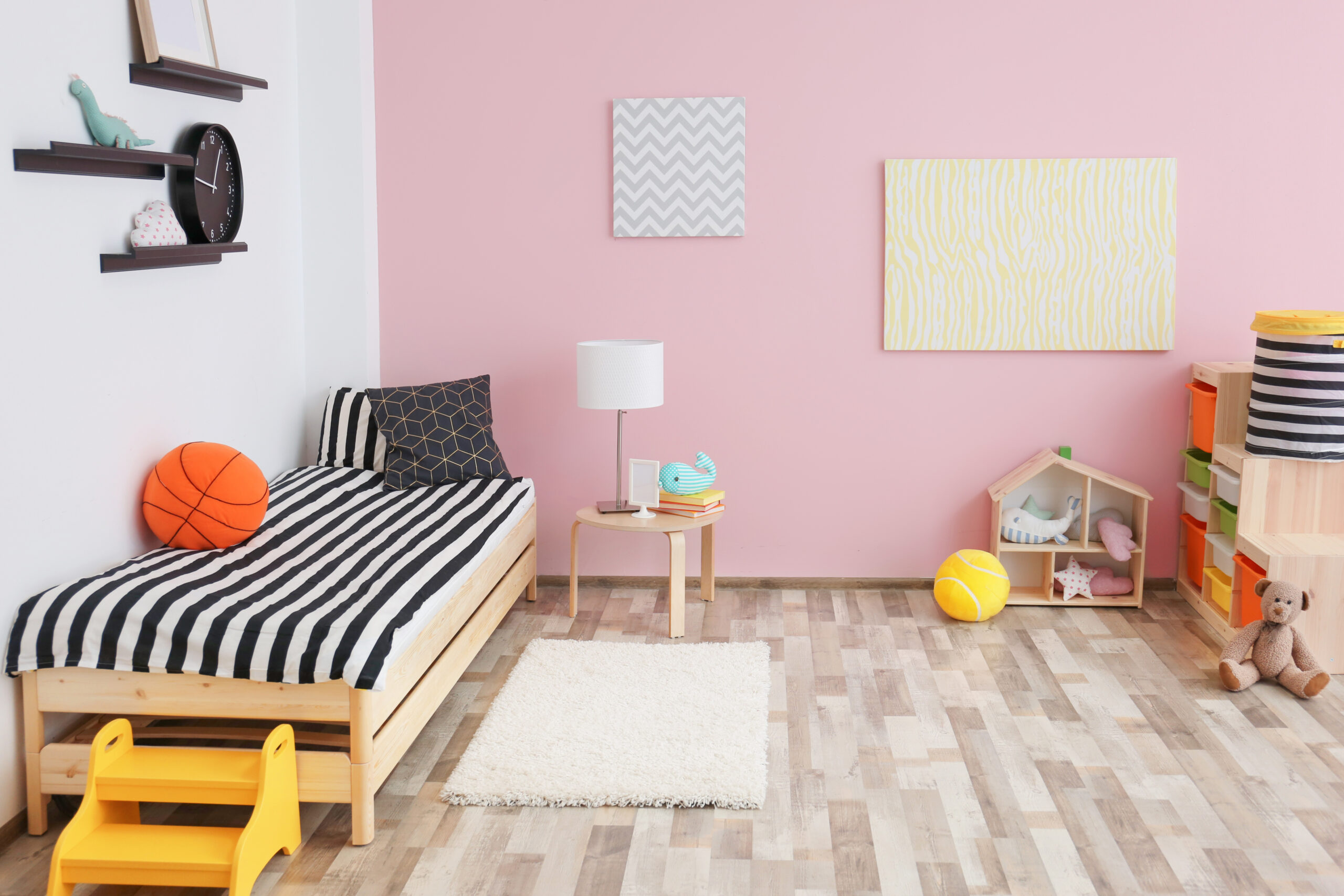
Choose a layout that maximizes the utilization of space. Consider everything that needs to be in the room and try out different furniture arrangements to see what works best.
3.2 Define Functional Areas
Creating defined areas for different activities can benefit children of all ages. It allows them the freedom to regulate their routines, develop a sense of accountability, and make the room appear more spacious.
4. Invest in Long-lasting Furniture
4.1 Opt for Furniture that Grows with Your Child
A few pieces of furniture that accommodate your child’s development are essential. Start with a kids’ bed design that is a size or two bigger and will last a few years.
4.2 Versatile Lighting Options
Versatile lighting options are also a good idea for children’s bedroom design. Task lighting and dimming lights transition well into various designs.
5. Create a Multi-sensory Environment
5.1 Engage with Colors and Patterns
Colors and patterns are a great way to introduce visual stimulation in a room. They add visual interest to a room and provide tactile stimulation for the little ones, making the space feel comfortable and inviting.
5.2 Play with Textures
Textures and patterns are powerful decorating tools. Soft and plush textures are great options for kids as they make the space feel comfortable and inviting.
6. Prioritize Comfort

6.1 Create a Cozy Nook
Children require a stimulating and playful environment but also a space to just chill. A cozy little inviting nook can be a great addition to kids’ rooms.
6.2 Ensure Safe Flooring
Select a flooring option that is gentle and safe for your children yet easy enough to clean and maintain. Carpet, vinyl, rubber, and wood are some popular options.
7. Consider Ergonomics
7.1 Furniture should be Child-friendly
It’s important to use children’s furniture that is ergonomically designed, which means they can sit properly and play in a better position.
7.2 Make Room for Play
Ensure that your child’s room has an “empty” surface on the floor where they can play. After all, not all children want to sit at a table and play – they need space to move around freely on the floor.
8. Light it Right

8.1 Understand the Role of Lighting
Lighting affects the room’s style, mood, and functionality. Decorate the child’s room with lighting based on how the room is to be used.
8.2 Night Lighting
Night lighting may be needed in the child’s room. Some children prefer to sleep in a dark room, whilst others may find it a little scary.
9. Personalize the Space
9.1 Reflect Your Child’s Personality
Consider letting your child help you pick out certain elements to ensure their room is a place they love and know is their own.
9.2 Decorate with Your Child’s Interests in Mind
Incorporate your child’s interests into the room’s decor. Look for patterns that reflect their interests, for example, animals, space, superheroes, sea creatures, etc.
10. Share the Space
10.1 Opt for Bunk Beds
If you have two children sharing one bedroom, a bunk bed is a fun way to maximize space while giving each child their own bed.
10.2 Allow Individuality
For larger rooms, a colorful curtain can be hung down the center of the room that separates one child’s area and twin bed from the other.
11. Make the Walls Speak
11.1 Decorate with Thought
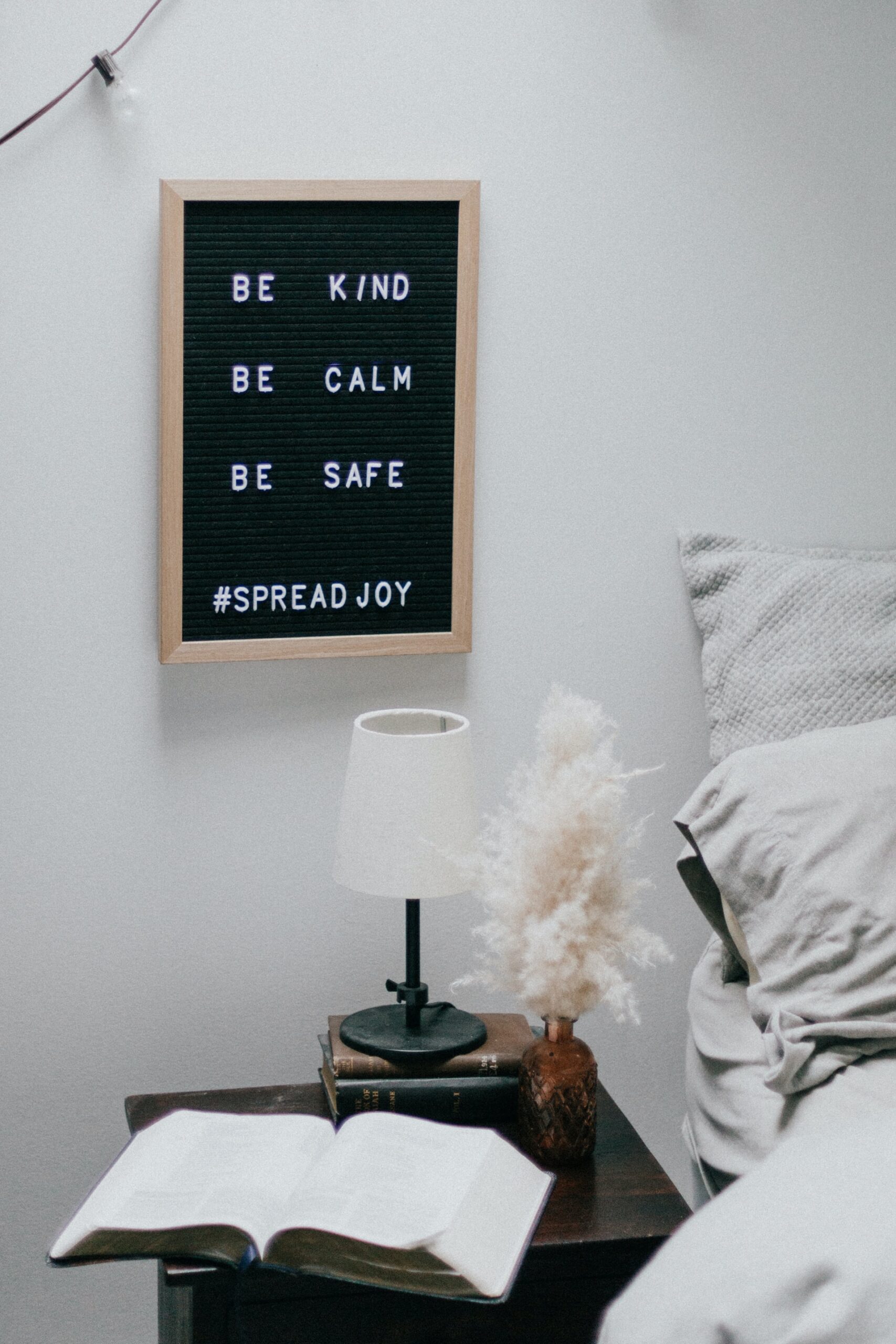
Hanging thoughtful decorations on the wall will bring your child’s room to life. Look for pieces that not only complement the room’s colors and theme but will also reflect your child’s interests and spark their creativity.
11.2 Be Creative with Wall Decorations
Don’t be afraid to think outside the box in terms of decorating by displaying items that may be a bit unexpected, such as hats, toys, or even musical instruments.
12. Have Fun with the Process!
12.1 Involve Your Child
Decorating your child’s room should be an enjoyable experience. It’s a great opportunity to tackle a project together and make memories that will last a lifetime, so take advantage of it!
12.2 Enjoy the Journey
With the help of experienced interior designers, your child’s bedroom is sure to be as stylish and playful as it is practical and comfy. Remember, they won’t be little for long. Enjoy every moment of this process!
Decorating a child’s room is a balance between functionality, fun, and aesthetics. But with these tips, you’ll be well on your way to creating a space your child will love and cherish. Remember, the goal is to create a room that stimulates growth, and creativity, and most importantly, feels like home to your child. Happy decorating!


