



Preparing a meal is one of the most fulfilling yet time-consuming things you can do at home. Cooking requires you to buy ingredients and prepare and cook them to make both tasty and nutritious meals. In 2021, it was estimated that about 30% of an average American’s salary goes to buying food. And of this percentage, about 40% of it is spent on eating out; this number is steadily rising every year as people get busy and interest in cooking dwindles. Since buying takeout or eating out is more expensive and often has less nutrition, there is a need to make mealtime more straightforward and effective.
To achieve this, it is essential to plan appropriately. Planning ensures that the meals you come up with are well-balanced and have enough nutrients consistently. A good way to plan is by creating a timetable to ensure that you know what you will eat and what ingredients you need so you can plan correctly.
You should also have proper food storage containers to avoid wastage and ensure the food stays fresh for longer. Now that you have the basics in check let us look at the best ways to make mealtime easier and more effective.
Meal Preps Vs. Batch Cooking
Even though meal prepping and batch cooking are terms often used interchangeably, there are still subtle differences. Meal prepping involves buying ingredients in bulk and cooking or pre-cooking them before finally preparing a meal from them on a future date. For example, you can boil beans or legumes of your choice, chop up the veggies or lightly fry meat and store them by freezing. When you are ready to eat, you simply need to complete the cooking process.
Meal prepping saves you time, reduces food wastage, and reduces the wastage of money while giving you a wide selection of meal options. Since you already have a pre-ready selection of ingredients, you can experiment and create a nutritious and fun meal.
On the other hand, batch cooking involves preparing the same type of food in bulk and dividing it into smaller meal-sized portions. It involves a single recipe or dish. Once prepared, it is usually ready to eat and only needs to be heated; there are no additional steps, like in the case of meal prepping. Often batch-cooking involves foods that take longer to prepare, like casseroles, soups, and sauces. Meaning you may still need to prepare a side for the meal. However, batch cooking is not limited to a specific type of food. Instead, you can also choose to batch-cook carbohydrate-rich food like rice or pasta.
One-Pot Meals
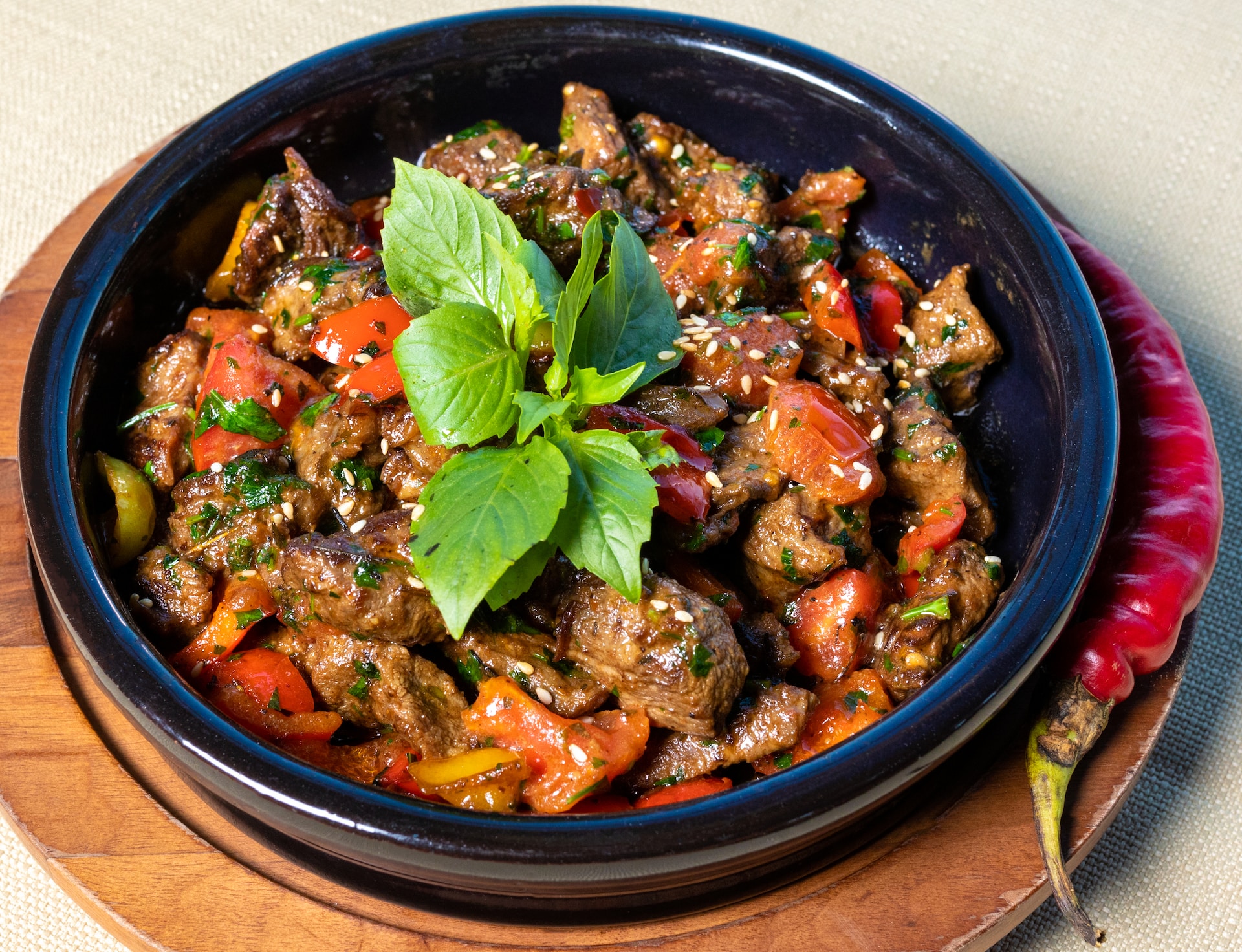
If you are not a fan of cooking in bulk or meal prepping, one-pot meals present the perfect solution to make mealtime easier. One-pot meals involve all the ingredients cooked in one pot. This is one of the easiest and fastest cooking techniques. One-pot meals have a shorter clean-up process since fewer cooking utensils are used. Combining all the ingredients in one pot creates a blend of flavors for a unique and exciting eating experience. Their simplicity and bold flavors make them a great addition to a dinner party. Since everything is cooked at once, one-pot meals can help save on your energy bill and storage.
Pickling
If you are a fan of meal preps or one-pot meals, pickling can also be a fun way to save time. Pickling involves submerging fruits or vegetables in an acidic brine, like vinegar for fermentation to occur. It is a great way to eat healthy fruit or vegetables while preserving their shelf life, making it cost-effective. Ingredients like pickled onions, carrots, and tomatoes can be used to prepare a meal or as a salad. The enhanced tangy taste from the different pickling techniques can help create a customized taste you can enjoy every time. Their preservative qualities also make them a great way to reduce food waste.
Frozen Foods
Often referred to as frozen dinners, frozen foods can be a lifesaver, especially if you are not a fan of cooking. Frozen foods can be just as nutritious as fresh produce but less perishable and often cheaper. With better food preservation techniques today, there are companies that offer a full line of frozen dinners that are diverse, delicious, and inspired by different cultures. Due to more savvy consumer interest in the frozen food section, you can easily get gluten-free, Kosher, or foods categorized by allergies.
The best part about frozen food is that all you need to do is put it in the microwave.
Ready-To-Eat Meals
Ready-to-eat meals are often foods packaged in retort pouches, vacuum-sealed containers, or cans to keep them fresh. Retorting pouches is the most popular way companies package ready-to-eat foods today. Retort pouches are flexible plastic packages that can easily be stored and transported. They are lined inside by aluminum foil which keeps the food fresh. The pouches are then vacuum sealed to ensure no dirt or bacteria come in contact with the food.
Eating nutritious foods is a great way to maintain physical and mental health. As you can see, cooking at home is not the only way to guarantee this. You now have many options to make mealtimes enjoyable, easier, and effective.


Comments 1