



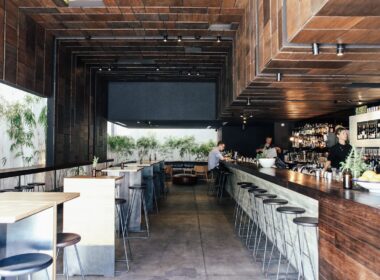

As the restaurant industry continues to evolve, so do the trends and innovations in restaurant materials. In 2024, several key trends are shaping the landscape of restaurant equipment, tableware, and kitchen tools. From sustainable materials to advanced technologies, these trends reflect the changing preferences of consumers and the evolving needs of restaurant operators. This article will explore seven emerging trends in restaurant materials to watch out for in 2024, providing insights into how they are reshaping the way restaurants operate and serve their customers.
1. Sustainable and Eco-Friendly Materials
One of the prominent trends in restaurant supplies for 2024 is the increased adoption of sustainable and eco-friendly materials. With growing awareness of environmental issues, restaurants are seeking alternatives to traditional disposable products, such as plastic utensils and paper packaging. Instead, they are turning to biodegradable materials like bamboo, sugarcane fiber, and compostable plastics for tableware, containers, and packaging. By embracing sustainable materials, restaurants can reduce their environmental footprint and appeal to eco-conscious consumers who prioritize sustainability in their dining choices.
2. Smart Kitchen Appliances and Equipment
The integration of smart technology into kitchen appliances and equipment is another trend gaining traction in 2024. From connected ovens and refrigerators to automated cooking systems and inventory management software, smart solutions are revolutionizing restaurant kitchens. These technologies offer benefits such as improved efficiency, enhanced accuracy, and real-time monitoring of kitchen operations. By leveraging smart appliances and equipment, restaurants can streamline workflows, reduce labor costs, and maintain consistency in food quality and service.
3. Customization and Personalization
In 2024, customization and personalization are becoming increasingly important considerations for restaurant materials. From custom-branded tableware and packaging to personalized menus and serving options, restaurants are seeking ways to create unique and memorable dining experiences for their customers. By offering customizable options, restaurants can cater to individual preferences and dietary requirements, enhancing customer satisfaction and loyalty. Additionally, customization allows restaurants to differentiate themselves in a competitive market and create a strong brand identity that resonates with their target audience.
4. Multi-Functional and Space-Saving Designs
As real estate costs rise and space becomes limited, restaurant operators are looking for ways to maximize efficiency and functionality in their establishments. In 2024, multi-functional and space-saving designs are emerging as key trends in restaurant materials. This includes versatile furniture and equipment that can adapt to different layouts and configurations, as well as compact storage solutions that optimize space usage in cramped kitchens and dining areas. By investing in space-saving designs, restaurants can make the most of their available space, improve workflow efficiency, and enhance the overall dining experience for customers.
5. Enhanced Food Safety and Hygiene Measures
In light of recent health concerns and food safety issues, restaurant operators are placing greater emphasis on maintaining high standards of cleanliness and hygiene in their establishments. In 2024, this trend is reflected in the demand for restaurant materials that prioritize food safety and sanitation. This includes antimicrobial coatings for surfaces, hands-free dispensers for soap and sanitizer, and disposable single-use items for increased hygiene. Restaurants may reduce the danger of contamination, safeguard the health of their patrons and employees, and strengthen consumer confidence in their brand by putting stronger food safety procedures in place.
6. Artisanal and Handcrafted Products
Consumers are increasingly seeking unique and authentic dining experiences, driving the demand for artisanal and handcrafted restaurant materials. In 2024, this trend is manifesting in the popularity of handmade ceramics, artisanal glassware, handcrafted cutlery, and serving utensils. These products add a touch of craftsmanship and authenticity to the dining experience, creating a sense of connection and nostalgia for traditional artisanal techniques. By incorporating artisanal products into their offerings, restaurants can elevate the aesthetic appeal of their tabletop presentations and create memorable dining experiences that resonate with customers.
7. Remote and Contactless Dining Solutions
The COVID-19 pandemic has accelerated the adoption of remote and contactless dining solutions, leading to a shift in restaurant materials to accommodate these changes. In 2024, we are seeing the continued rise of technologies such as mobile ordering and payment systems, QR code menus, and self-service kiosks. These solutions allow customers to place orders, make payments, and interact with restaurant staff without physical contact, reducing the risk of transmission of infectious diseases. By embracing remote and contactless dining solutions, restaurants can adapt to changing consumer preferences and safety concerns while improving operational efficiency and customer convenience.
Conclusion:
In conclusion, the restaurant industry is undergoing rapid transformation, driven by evolving consumer preferences, technological advancements, and shifting market dynamics. In 2024, several key trends are shaping the landscape of restaurant materials, from sustainable materials and smart technologies to customization and contactless dining solutions. By staying informed and embracing these emerging trends, restaurant operators can position themselves for success in a competitive market and meet the evolving needs of their customers. Whether it’s investing in eco-friendly materials, adopting smart kitchen appliances, or offering personalized dining experiences, restaurants that embrace innovation in their materials stand to thrive in the ever-changing foodservice landscape.


