


Fashion changes quickly, but some shoes never really disappear. Sandals are one of them. Heel heights shift, straps get thinner or wider, and certain silhouettes come back into focus every few years, yet the basic appeal stays the same: sandals are easy to wear, easy to style, and surprisingly adaptable.
That versatility is probably why I keep coming back to them. A good pair can work with relaxed weekend clothes, a summer dress, tailored trousers, or something slightly dressier for dinner. The trick is less about following one particular trend and more about finding a shape that works with the clothes you already own.
For shoppers looking at different feminine footwear styles, ROSATINA is one place to explore how sandals fit into a broader shoe wardrobe, alongside heels, boots, and other everyday options.
Sandals are no longer just casual summer shoes
There was a time when sandals were mostly associated with beaches, vacations, and very casual outfits. That idea feels increasingly outdated.
Today, the category covers everything from minimal flat styles to more polished heeled designs. A simple strappy sandal can sit comfortably underneath wide-leg trousers, while a block-heel pair can make a midi dress feel more finished without becoming overly formal.
That range makes sandals useful because you do not have to build an outfit around them. In many cases, they simply complete what is already there.
With jeans and a tank top, they keep things relaxed. With a slip dress, they make the outfit feel intentional. With tailored trousers and a waistcoat, they can soften an otherwise structured look.
It is one of those rare shoe categories where a small change in shape or heel height can completely shift the mood.
The right straps make a bigger difference than people think
When I look at sandals, I usually notice the straps before the heel.
Thin straps tend to feel lighter and more delicate. They work especially well with dresses, skirts, cropped trousers, and outfits where you want the shoe to visually disappear rather than dominate the look.
Wider straps create more presence. They can balance loose jeans, linen trousers, longer skirts, and oversized pieces particularly well.
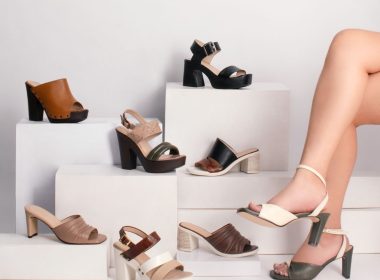
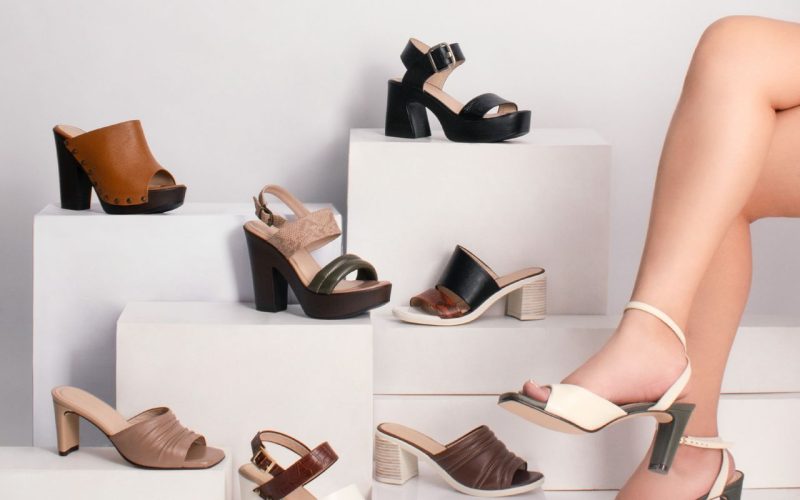
Then there are ankle straps, wraparound straps, slingbacks, toe straps, and more sculptural designs. Each one changes the proportions of the foot and ankle slightly.
This is why it helps to browse different sandals rather than deciding that one familiar shape is the only style that works for you.
Sometimes the difference between a shoe that feels awkward and one that immediately works is simply where the straps sit.
Heel height should match your real life
I like heels, but I do not think every sandal needs a dramatic one.
Flat sandals are useful for errands, travel, casual days, and outfits that already have enough visual interest. Small block heels work well when you want a little height without turning the shoe into an evening-only option.
Higher heels make more sense when the outfit calls for them.
That sounds obvious, but it is easy to buy shoes for an imaginary lifestyle. A beautiful pair is not especially useful if you constantly avoid wearing it because the heel feels too high or the straps are difficult to manage.
Before buying, I would think about where the shoes will actually go.
Are they for work? Holidays? Dinner? Weddings? Everyday summer outfits? Long walks between places?
The answer usually makes the right heel height much easier to choose.
Neutral does not have to mean boring
Black, tan, cream, brown, and metallic sandals are popular for a practical reason: they are easy to repeat.
A simple neutral sandal can move between several outfits without looking like you are wearing the same combination every time. Black works particularly well with sharper outfits, while tan and cream tend to feel softer with linen, denim, and lighter summer colors.
Metallics are another useful option. Gold or silver can act almost like a neutral when the rest of the shoe is simple.
That does not mean brighter colors should be avoided. A red, blue, green, or patterned sandal can be a great way to add interest to otherwise basic clothes.
I would just decide whether I want the sandal to support the outfit or become the focal point.
Both approaches work. Mixing them accidentally is where things can start to feel busy.
Sandals work surprisingly well with trousers
Dresses and sandals are an obvious combination, but trousers are often where sandals become more interesting.
Straight-leg jeans with a slim sandal create a clean contrast between casual denim and a more delicate shoe. Wide-leg trousers work beautifully when the hem is long enough to move naturally but not so long that the sandal disappears completely.
Linen trousers are perhaps the easiest pairing of all. The relaxed texture already suits open shoes, so even a very simple sandal looks considered.
For tailored trousers, I usually prefer a cleaner sandal without too many decorative details. The trouser already gives the outfit structure, so the shoe does not need to compete with it.
This kind of styling is also useful during transitional weather. You can keep the clothing relatively covered while allowing the shoes to make the outfit feel lighter.
Dresses are mostly about proportion
The question is rarely whether sandals work with a dress. They usually do.
The more useful question is which sandal works with which dress.
Mini dresses expose most of the leg, so the shoe becomes more noticeable. A chunkier sandal can ground the look, while a slimmer one keeps everything light.
Midi dresses can work with almost anything, but I pay attention to where the hem and straps meet visually. If there are already several horizontal lines around the lower leg, a very complicated ankle-wrap sandal can sometimes make the area look crowded.
Maxi dresses often look best when the sandal feels effortless. Unless the dress is very formal, I usually avoid shoes that look excessively heavy underneath a long, flowing hem.
Again, it comes back to balance rather than rules.
A smaller shoe wardrobe can actually be more useful
It is tempting to think variety means owning dozens of pairs, but I find a smaller rotation often works better.
A practical sandal wardrobe might include one easy flat pair, one low or mid-height heel, and one dressier option. From there, additional pairs can fill genuine gaps instead of repeating something you already have.
The same idea works across an entire shoe collection.
Instead of asking, “Do I like this shoe?” I find it more useful to ask, “What would I wear this with?”
If several outfits immediately come to mind, that is usually a good sign.
If the answer requires buying a new dress, new trousers, and a different bag just to make the sandals work, they may not be as versatile as they first appeared.
Style gets easier when the shoes fit the wardrobe
The best sandals are not necessarily the loudest, trendiest, or most complicated pair in the room. They are often the ones that make getting dressed easier.
They work with clothes you already reach for. They suit the places you actually go. Most importantly, they feel like part of your personal style rather than something you bought because it looked good for one season.
Trends can still be fun, of course. But when a sandal gets the proportions, comfort, and styling possibilities right, it has a much better chance of staying in rotation long after the trend cycle moves on.





This is a really thoughtful take on why sandals remain relevant despite changing fashion trends. I especially like the point about choosing strap placement and heel height based on your actual lifestyle rather than an imaginary one. It shows how small design details can change both comfort and proportions, while the right pair can keep an outfit from starting to slope into looking too busy.
Nice article. Many thanks for your tips
this is a thoughtful perspective on why sandals timeless despite changing trends. i especially like the idea of choosing trap placement and heel height based-on real-life, as small design details can improve both comfort and style while keeping an outfit balanced
Such a practical approach to shoe shopping. Versatility and comfort really do matter more than simply having more options.
connections
I agree that the versatility of sandals is what keeps them relevant, especially word games online when a small change in the straps or heel height can make the same type of shoe work with completely different outfits.
A lot of dress themes show you what kind of person you could be. To this point of view, you should look at who you really are and what you do. That’s better for your health and your wallet.
I totally agree! Sandals are my go-to, especially during summer. They’re so versatile! I often pair them with everything from beachwear to casual dress. What’s your favorite way to style sandals? By the way, have you ever checked out Moto X3m for great summer outfit ideas?